PEC Water Splitting
Magnetic-field enhanced solar-to-hydrogen conversion using spin-selective perovskite photoelectrodes.
Perovskite LED Materials
Halide & chalcogenide perovskites for stable, efficient light-emitting and photovoltaic devices.
Advanced Spectroscopy
Advanced spectroscopic techniques for in operando characterizations.
Battery R&D
Lithium-ion cell manufacturing, Electrolyte engineering, and Battery forensics.
ML for Materials
Materials properties investigation using machine learning for solar and battery materials.
Photoelectrochemical Water Splitting
My doctoral research focused on external-stimulus-assisted photoelectrochemical (PEC) water splitting using halide perovskites, investigating performance enhancement under applied magnetic fields. This work explored charge transport, interfacial kinetics, and recombination dynamics under non-conventional operating conditions, offering new physical insight into PEC performance optimization.
The work opens a new design parameter - spin engineering - for next-generation PEC devices, complementing conventional band-engineering and co-catalyst strategies.
Key Results
- 16% improvement in photocurrent density under applied magnetic field of 2000 G.
- Reduced charge recombination and enhanced charge transport under applied magnetic field.
- Interface was characterized using various techniques including EIS & Tafel plots to reveal the charge transport mechanisms.
- Published in Journal of Physical Chemistry C (2026)
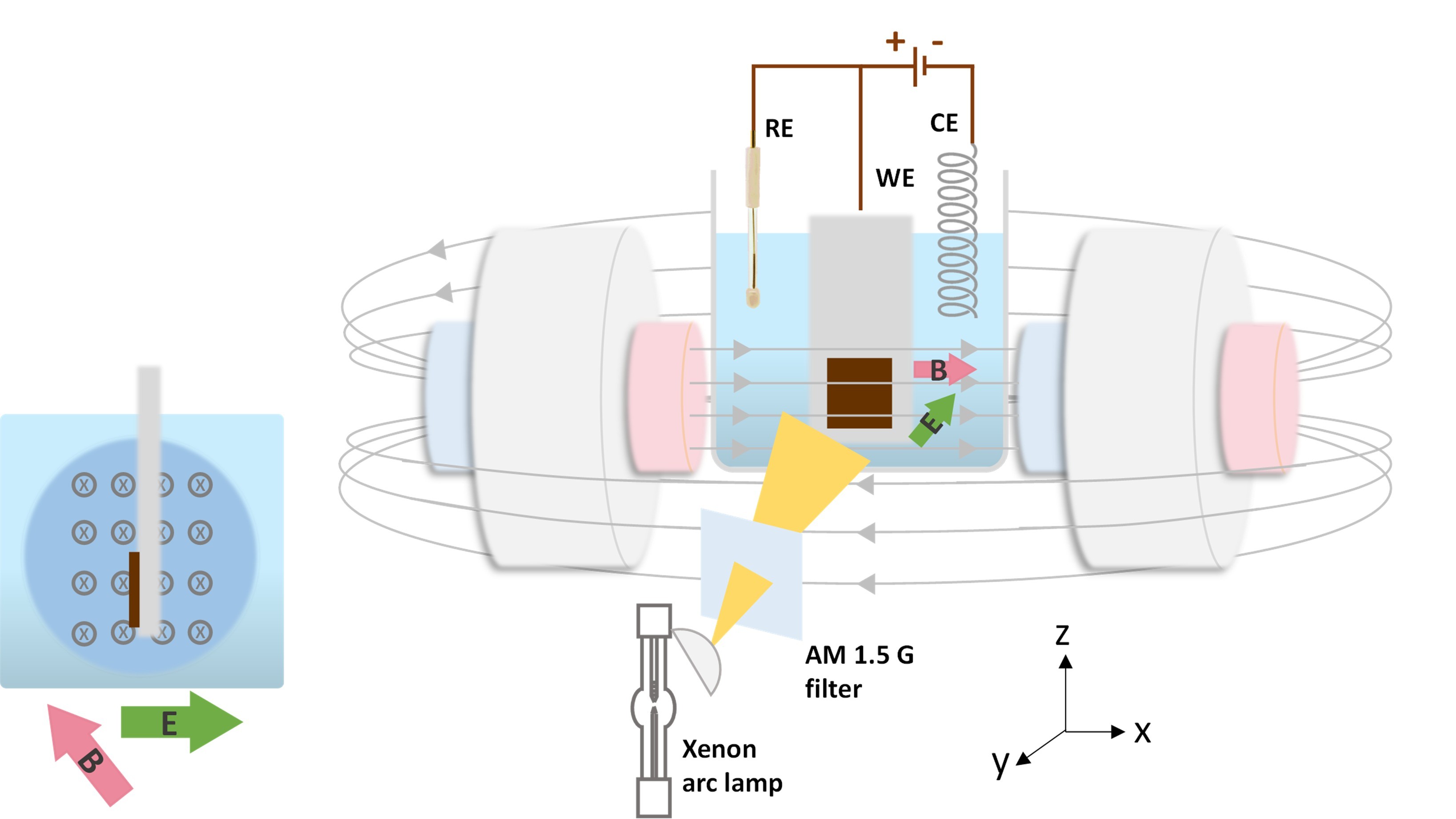
PEC cell setup under AM 1.5G illumination and applied magnetic field
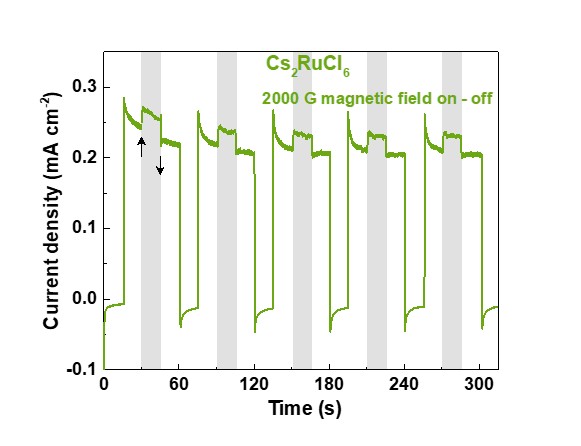
J-V characteristics in presence and absence of magnetic field
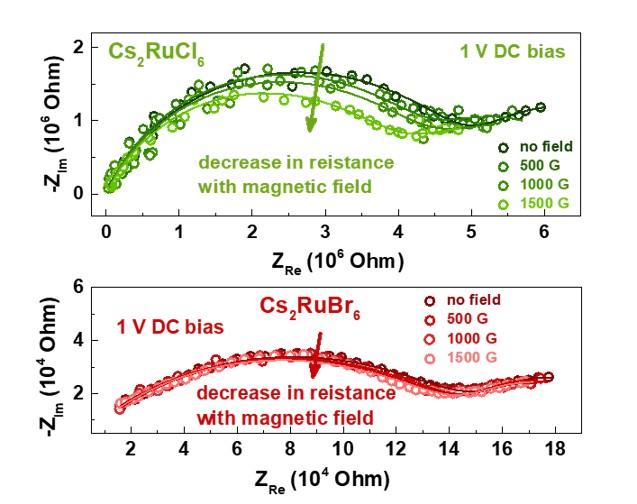
EIS Nyquist plot of perovskite pellet in magnetic field
Perovskite LED & Photovoltaic Materials
Design and synthesis of inorganic-organic perovskites, transition-metal complexes, and nanomaterials, with a strong emphasizing improving material stability and enhanced photovoltaic and catalytic performance. Work on Cs2NaInxBi1-xCl6 revealed how octahedral distortions enhances PL, a key mechanistic insight for LED material design.
Explored distortion- and polarization-driven light emission properties in halide perovskites, establishing structure-property relationships for optoelectronic applications.
Key Results
- Octahedral distortion identified as recombination quenching mechanism in Cs2NaInxBi1-xCl6
- External electric field introduces distortion in the lattice which enhances PL efficiency
- Polaron hopping is the dominant charge transport mechanism in double perovskites
- Published in ChemPhysChem, Dalton Trans., ChemPlusChem
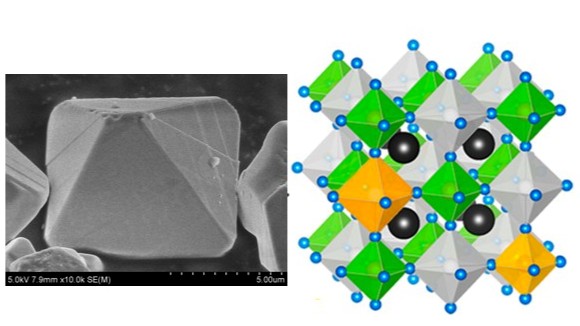
Halide perovskite SEM image and crystal structure
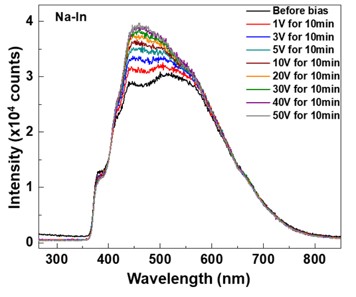
PL emission spectra under external electric field
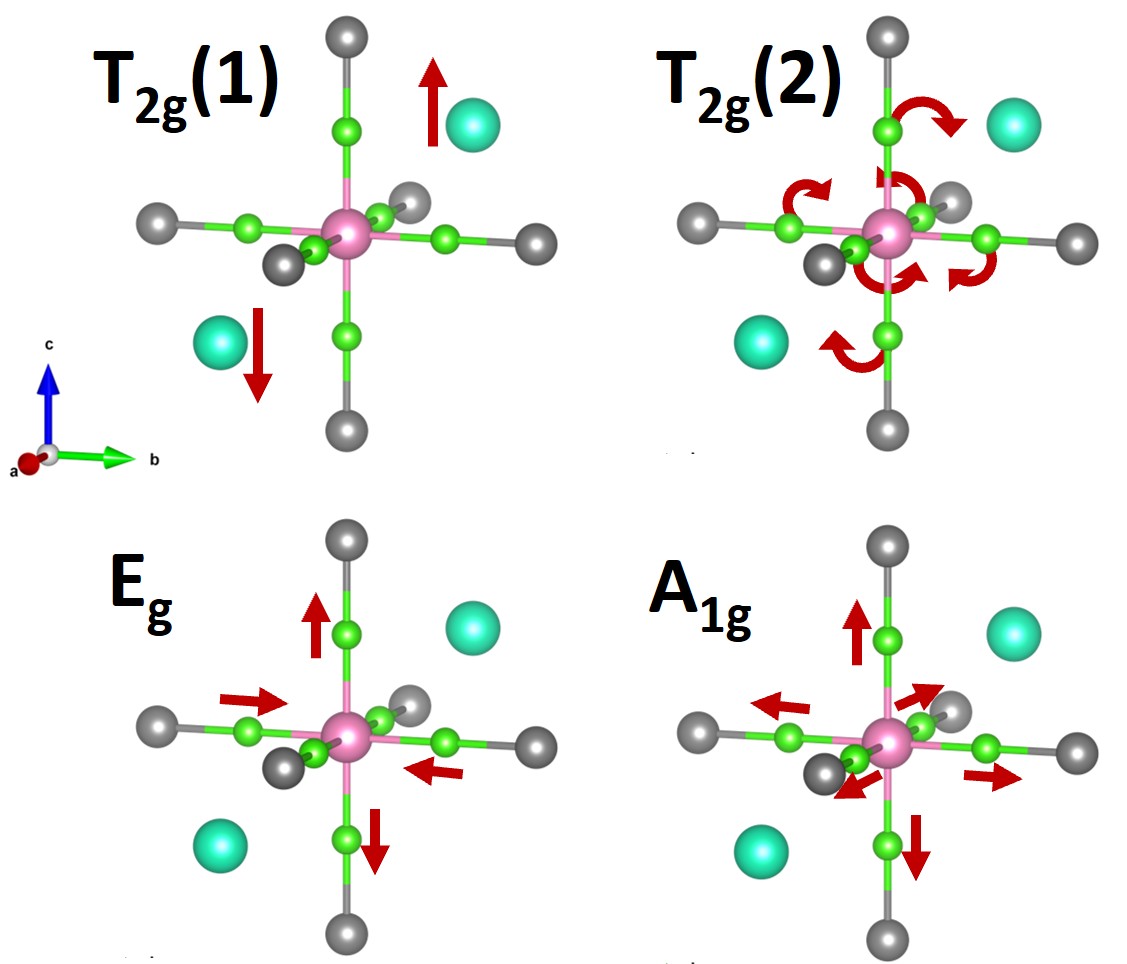
Bond vibrational analysis
Advanced Spectroscopy
As a PhD scholar, I developed a patented high-resolution transient photovoltage measurement system to probe charge carrier dynamics and recombination mechanisms in photovoltaic and PEC devices with precise temporal control.
The measurements can be performed across a range of low to high temperature, magnetic field, and light intensity on photovoltaic and photoelectrochemical devices.
Key Contributions
- Transient photovoltage and photocurrent measurements
- Liquid nitrogen cooled setup for operando optoelectrochemical characterization
- Photocurrent and photovoltage measurements under applied electric bias
- Operando PEC in magnetic field
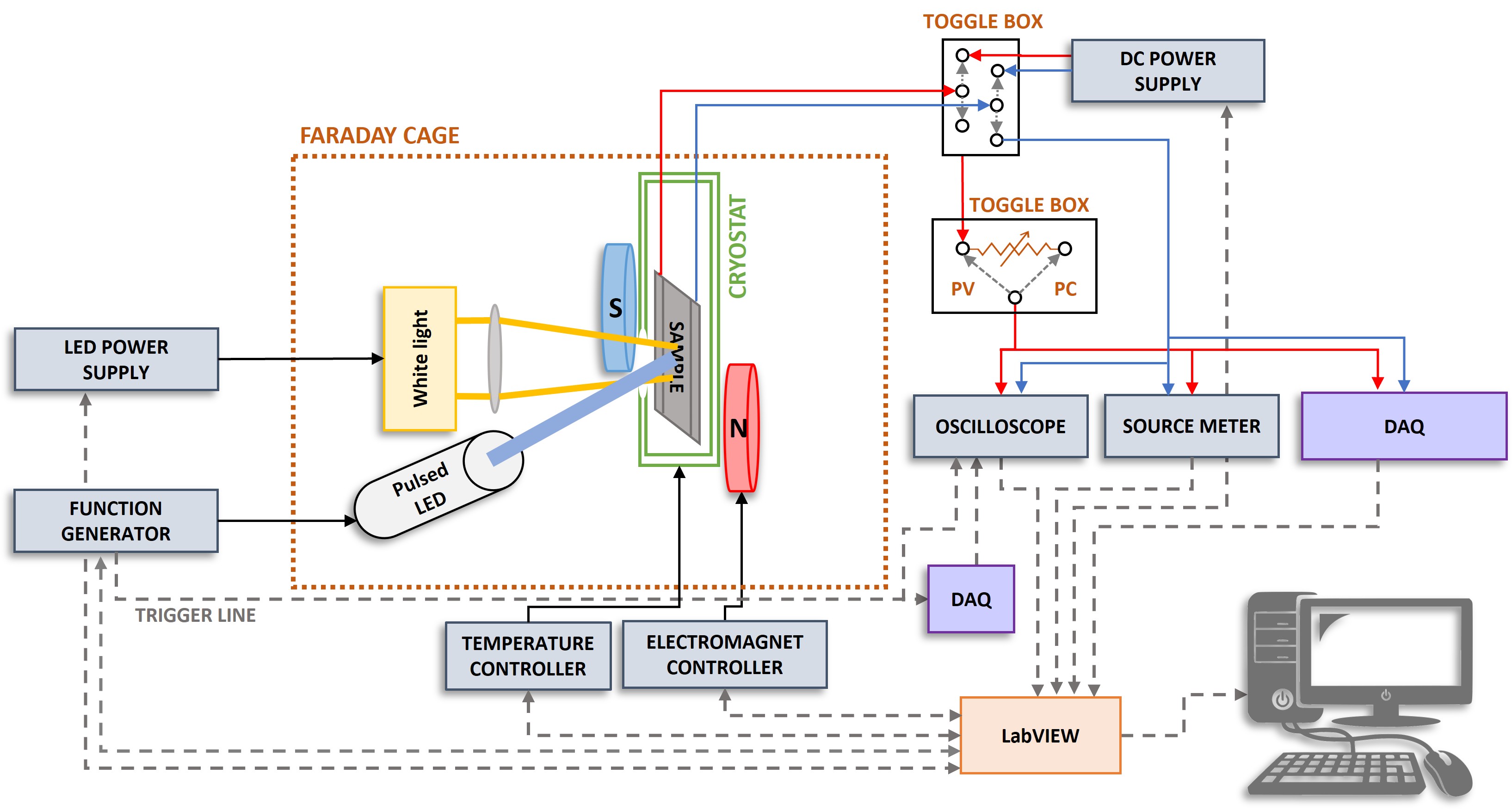
Transient photovoltage and photocurrent measurements
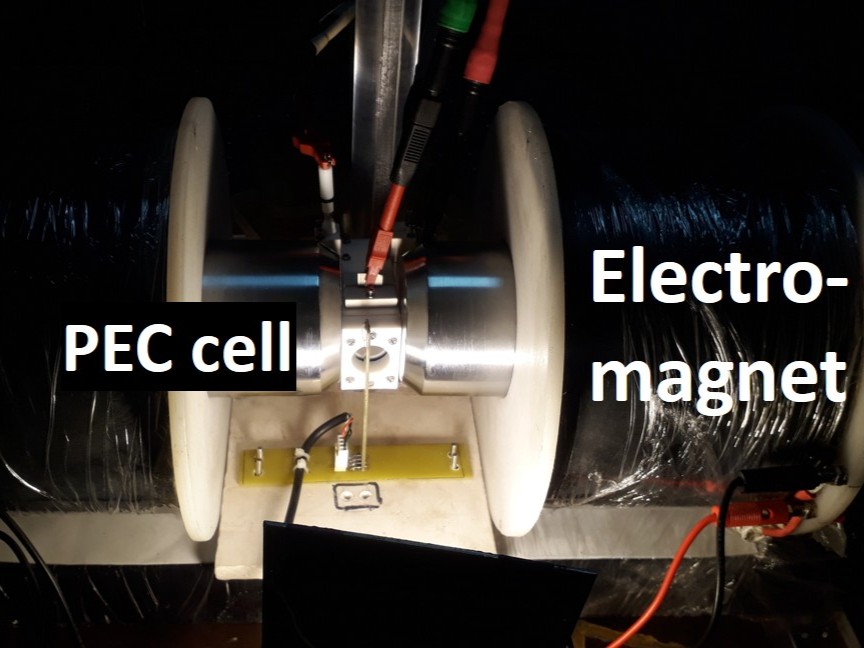
Magnetic PEC setup
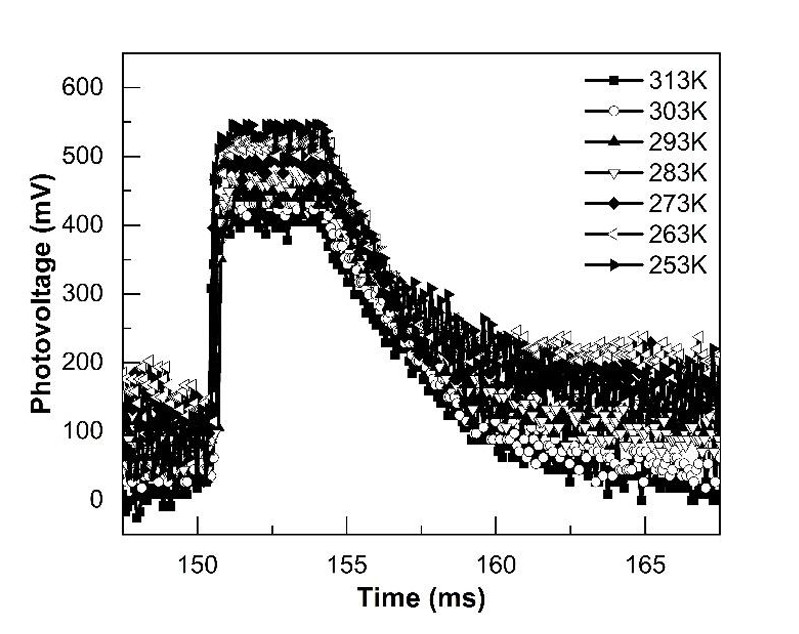
Temperature dependent transient photovoltage
Li-ion Battery R&D
As Battery R&D Manager at OLA Electric, I work with the R&D team on electrolyte formulation and validation for Li-ion cells (NMC, LFP), optimizing performance across coin, cylindrical, and pouch cell formats using advanced electrochemical testing, including cycling protocols, rate capability, HPPC, and EIS. I also developed end-to-end cell testing data analytics workflows, integrating Python-based web applications, Tableau dashboards, and SQL pipelines to enable automated data processing, visualization, and efficient decision-making.
A strong emphasis was placed on understanding capacity fade mechanisms through EIS, post-mortem analysis,and correlating micro-structural changes to macroscopic performance metrics. Conducting failure analysis and post-mortem diagnostics to identify degradation mechanisms (SEI/CEI instability, lithium loss, impedance growth, gas evolution) and correlating electrochemical data with material characterization (CT, SEM, XRD, XPS, GC-MS, ICP-MS) to enable root-cause analysis.
Key Contributions
- Python automated cell testing data analytics workflow for LIB
- Battery forensics and failure analysis
- Degradation mechanisms identification and root-cause analysis
- Electrolyte formulation and optimization
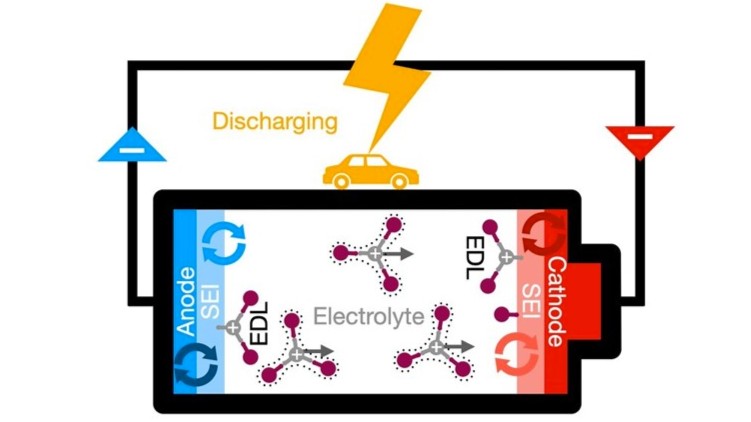
Cell testing and diagnostics in battery R&D
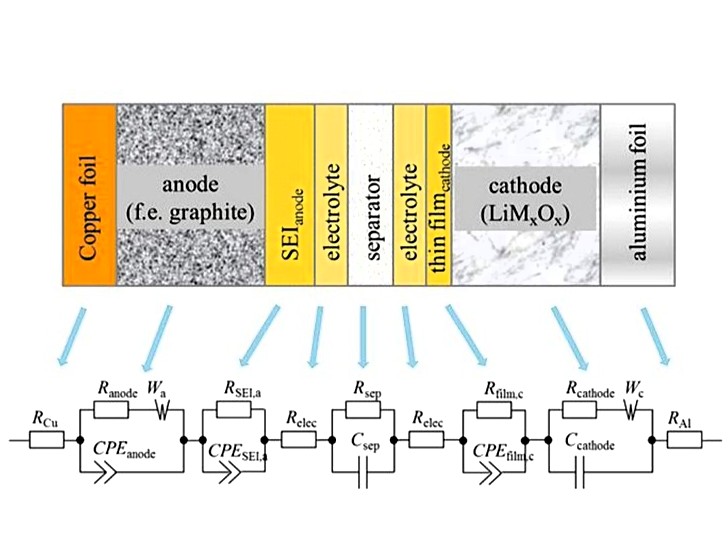
Electrochemical impedance spectroscopy (EIS)
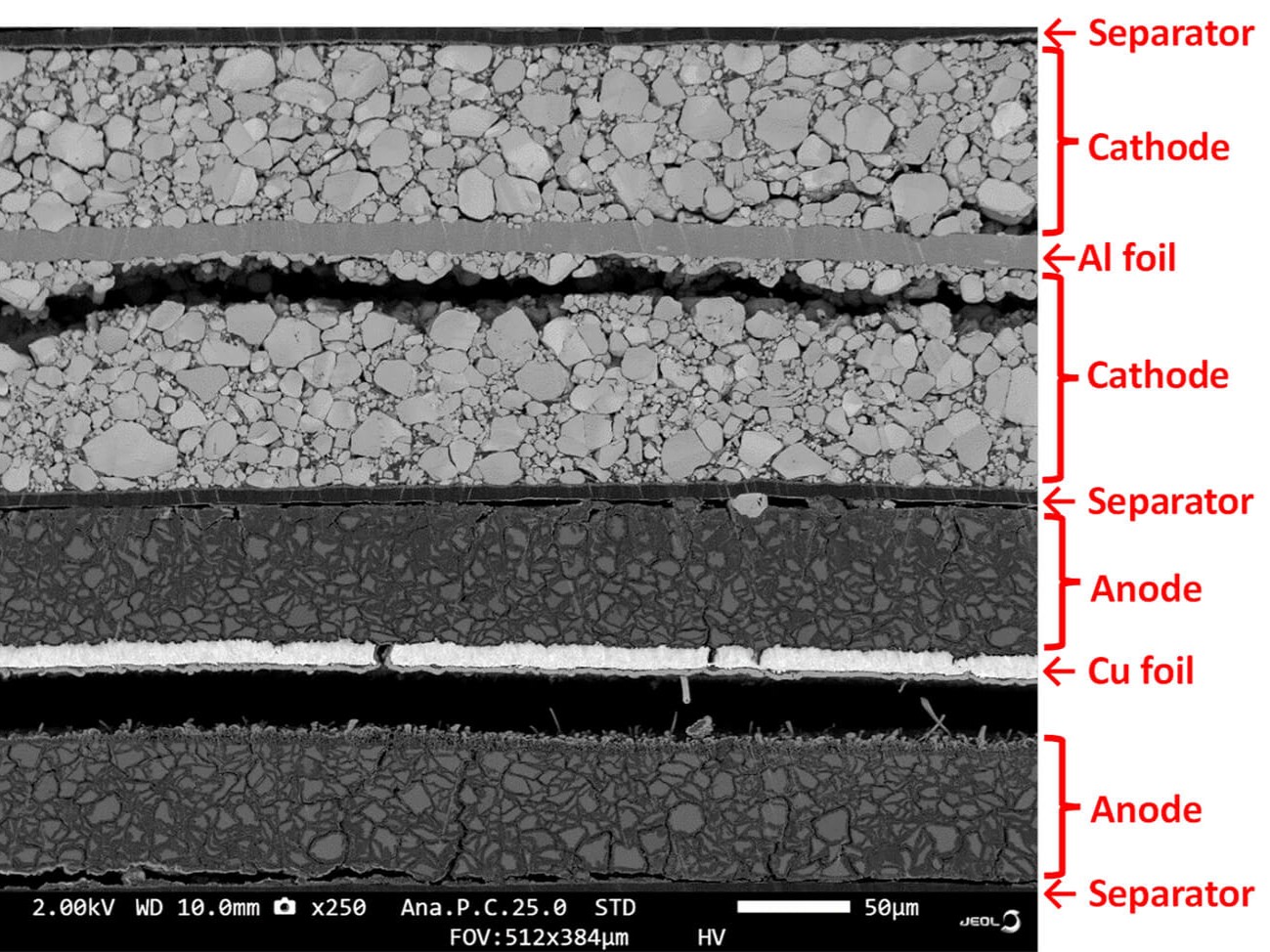
Post-mortem SEM analysis
Machine Learning for Materials & Energy
Learning to apply data-driven methods across two fronts: accelerating materials discovery for energy applications, and enabling smarter battery management. LSTM networks trained on dynamic drive-cycle data predict SoC with <2% RMSE in real time, while gradient-boosted models reduce DFT screening time for new perovskites by an order of magnitude.
Autoencoder-based anomaly detection on EIS signatures provides early-warning degradation diagnostics without relying on physics-based equivalent-circuit fitting.
Key Results Expected
- LSTM SoC predictor: <2% RMSE across multiple drive cycles
- Autoencoder EIS anomaly detection: 94% early fault recall
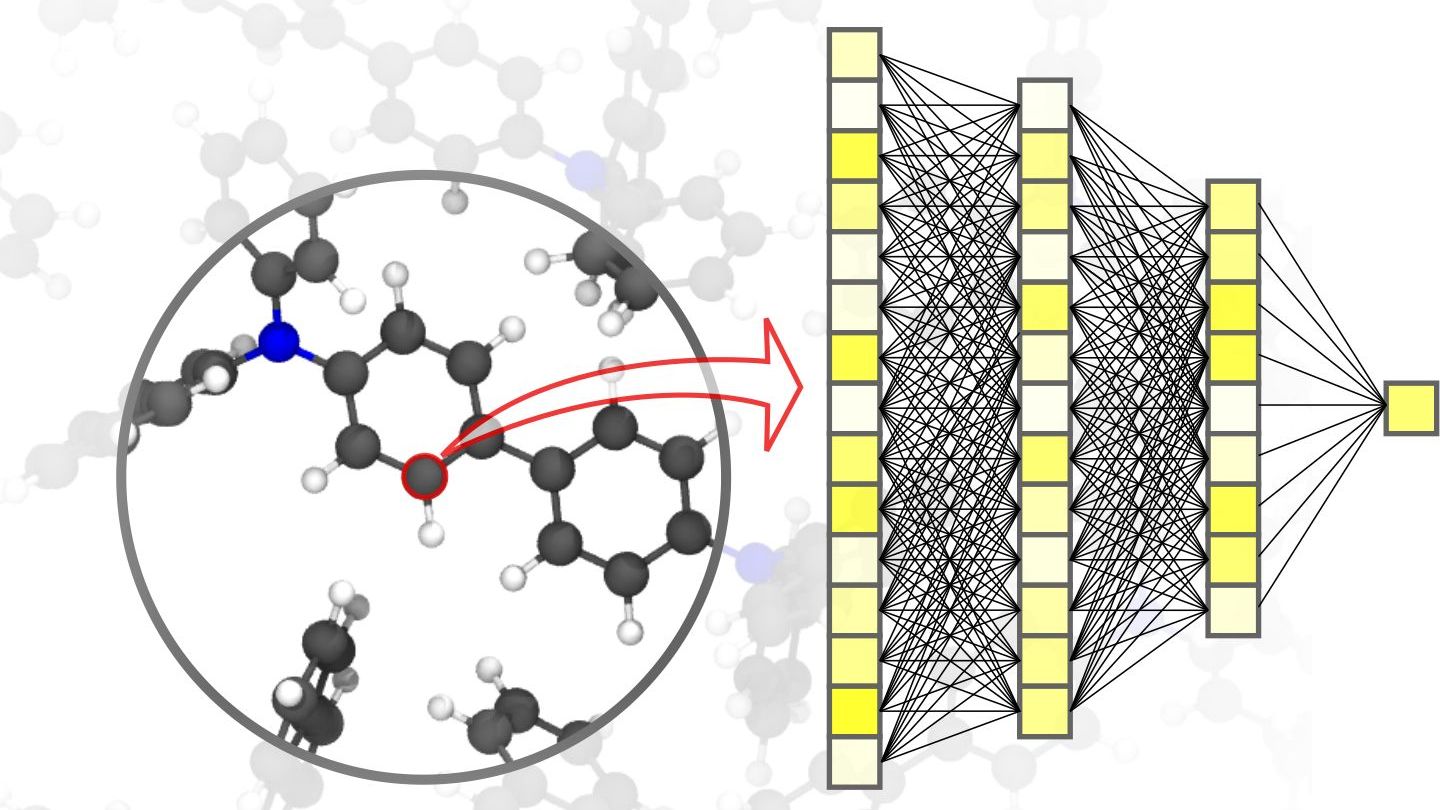
Data-driven material discovery
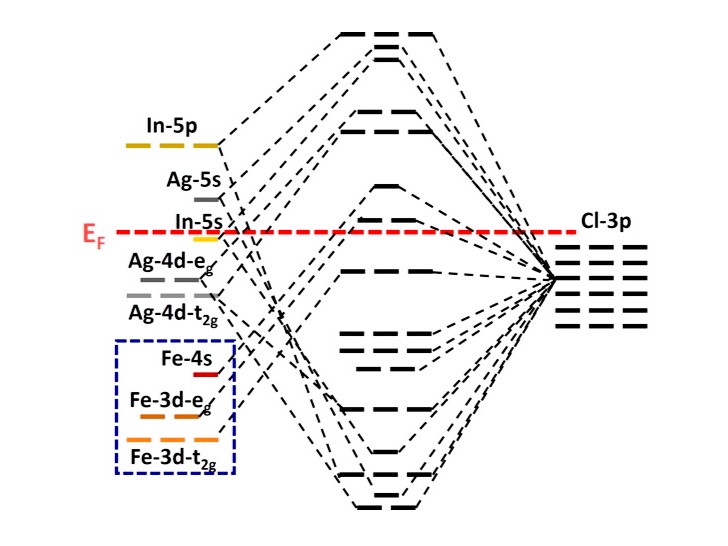
DFT vs ML bandgap prediction
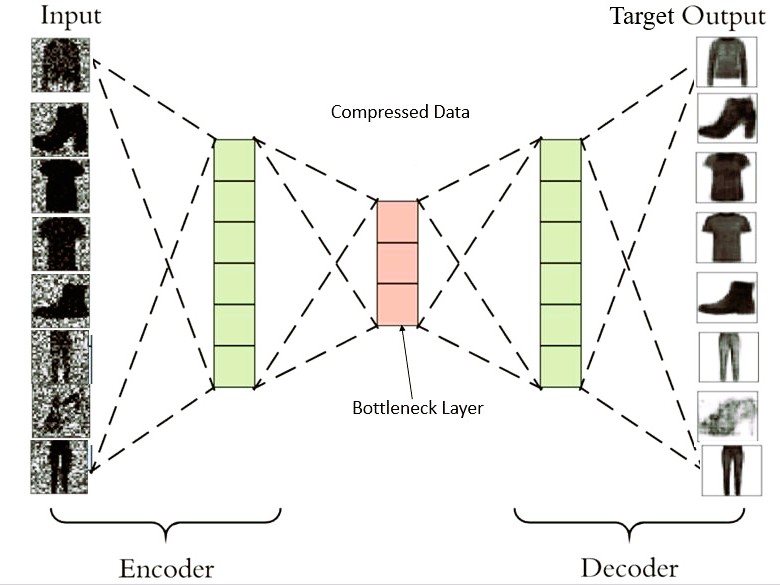
Autoencoder degradation detection
Future Research Directions
Where the next chapter of this work is headed
Tandem PEC Devices
Coupling spin-polarised photoanodes with low-bandgap photocathodes to push unassisted solar-to-hydrogen efficiency beyond 10%.
Stable Blue Perovskite LEDs
Engineering mixed-halide perovskites with suppressed phase segregation for long-lifetime blue LEDs
Next Generation Batteries
Developing Li-S or Sodium-ion batteries with high energy density and long cycle life using advanced materials engineering and electrochemical characterization techniques.
Graph Neural Networks for Perovskites
Building crystal-graph neural networks trained on DFT datasets to predict stability, ionic conductivity, and optoelectronic properties of novel perovskite compositions.
Fast-Charging Protocols
Reinforcement learning-optimised charging protocols that maximise cycle life while minimising lithium plating risk validated on physical cell hardware.
Operando Spectroelectrochemistry
Combining in-situ Raman, FTIR, XPS, and electrochemical measurements to track real-time structural evolution of photoelectrodes under working conditions.